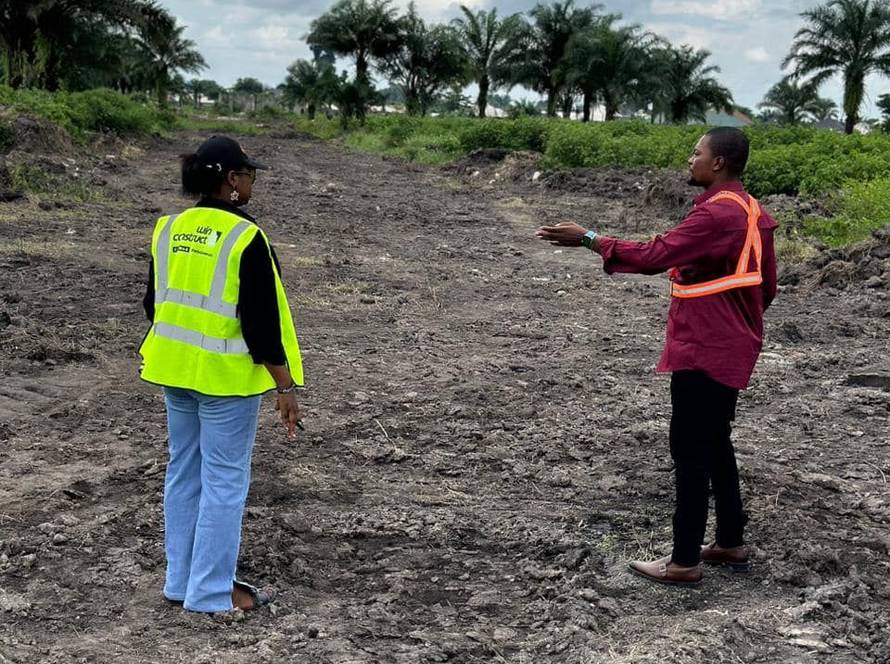
Buying property is a major financial decision. Whether you are purchasing land to build your dream home, buying a house for your family, or investing in real estate for the future, making the right decision requires more than finding a property you like.
You need to understand its value, confirm the ownership and documentation, investigate potential risks, and know exactly what you are committing to before making payment.
In Nigeria, taking these steps seriously can help you avoid costly mistakes and make more informed property decisions.
At Sajo Dynasty Limited, we believe that property ownership should begin with the right information and proper guidance. Here are four important steps to consider before buying property in Nigeria.
1. Understand the True Value of the Property
One of the first things to consider when buying property in Nigeria is whether the asking price reflects the property’s actual market value.
A property may look attractive, and the seller may insist that the price is a special offer. However, you should not rely on the seller’s claims alone when deciding how much to pay.
Property value can be influenced by several factors, including:
- Location: Properties in areas with good road access, established infrastructure, employment opportunities, and essential services may attract stronger demand.
- Accessibility: Consider how easily you can reach the property and whether the roads are suitable throughout the year.
- Infrastructure and development: Electricity, water supply, drainage, road networks, and other facilities can influence a property’s appeal and potential value.
- Market demand: Compare similar properties in the same area to understand current asking prices and, where possible, actual transaction prices.
- Property condition: For an existing building, consider its structural condition, maintenance needs, and any repairs that may require additional spending.
- Future development: Planned infrastructure or commercial activity may affect demand, but future appreciation is never guaranteed.
For a more reliable assessment, consider engaging a qualified, registered estate surveyor and valuer to assess the property for your intended purpose. ESVARBON is the regulatory body for estate surveying and valuation in Nigeria and provides a way to verify practitioners’ credentials.
Remember, a property being advertised at a particular price does not automatically mean it is worth that amount.
2. Check the Property Documents Before Making Payment
Documentation is one of the most important parts of buying property in Nigeria.
Before committing your money, you need to establish who owns the property, what interest or rights are being transferred, and whether the documents can be verified through the appropriate channels.
Depending on the property and the nature of the transaction, relevant documents may include:
- Certificate of Occupancy (C of O), where applicable.
- Registered deed of assignment or other relevant title documents.
- Survey plan.
- Deed of conveyance, where applicable to the transaction.
- Governor’s consent or other required approvals, where applicable.
- Evidence of registration and other relevant land registry records.
- Probate documents or letters of administration for inherited property, where relevant.
- Approved building plans and relevant permits for an existing building, where applicable.
Not every property will have every document listed above. The appropriate documents depend on the property’s location, ownership history, title, and transaction type.
It is also important to understand that seeing a document is not the same as verifying it. A document may appear genuine but still require further investigation.
How can you verify property documents?
Start by obtaining copies of the relevant documents and having a qualified property lawyer review them. An official search through the appropriate state land registry or land administration authority can help establish what is recorded about the property, who holds the registered interest, and whether there are registered interests or restrictions that need attention.
For example, Lagos State provides online land administration services, including property searches and access to certain land records. The Federal Capital Territory’s AGIS also publishes procedures for title searches and related land documentation.
You can consult the official resources here:
- Lagos State Land Administration Portal: https://landonline.lagosstate.gov.ng/
- Abuja Geographic Information Systems (AGIS) Document Centre: https://agis.fcta.gov.ng/fctlands/documents.html
Procedures vary by location, so use the relevant authority for the state or territory where the property is situated.
3. Carry Out Proper Due Diligence
Due diligence means investigating the property and the transaction before you commit to buying it.
This is an essential step because a property can look attractive and still have issues that affect your ability to use, develop, or transfer it.
A proper investigation should consider the following.
Confirm the seller’s authority
Establish that the seller is the legal owner or has the proper authority to sell on the owner’s behalf.
If someone is selling through a representative, verify the authority and supporting documents. Where a company, family, estate, or other group is involved, additional checks may be necessary to establish who can validly approve the transaction.
Inspect the property physically
Visit the property and confirm that its location, boundaries, access, and general condition match what you were told.
For land purchases, have a qualified surveyor help establish the boundaries and compare the survey information with the relevant records.
Do not rely solely on photographs, videos, verbal descriptions, or the seller’s directions.
Investigate possible disputes or restrictions
Ask appropriate professionals to investigate whether the property is affected by disputes, competing claims, mortgages, charges, acquisition notices, planning restrictions, or other issues that could affect the transaction.
The specific checks required depend on the property and its location.
Understand the permitted use
Before purchasing, consider what you intend to do with the property. Land intended for residential development, for example, may not automatically be suitable for every commercial or industrial purpose.
Check relevant planning and land-use requirements with the appropriate authorities before proceeding.
Get independent professional advice
A seller’s agent may provide useful information, but you should not rely exclusively on the seller’s assurances when checking ownership, valuation, and legal status.
A qualified property lawyer, surveyor, and registered estate surveyor and valuer can help examine different aspects of the transaction.
Due diligence cannot eliminate every possible risk, but it can help you identify issues before they become expensive problems.
4. Get Professional Guidance Before You Commit
Buying property can involve several stages, from identifying a suitable property to negotiating terms, reviewing documents, conducting searches, completing payment, and handling the required transfer and registration procedures.
If you are a first-time buyer, investing from another state, or purchasing property while living abroad, navigating these steps can feel overwhelming.
Professional guidance can help you understand the process, identify questions to ask, and recognise when a matter requires specialist legal, surveying, valuation, or planning advice.
Before making a commitment, make sure you understand:
- The full purchase price and any additional costs.
- The documents required for the transaction.
- The results of the relevant title and property checks.
- The terms of the sale agreement and payment arrangements.
- The steps required to complete the transfer and any applicable registration.
- Your responsibilities after the transaction is completed.
Do not rush into payment simply because you are told that another buyer is waiting or that the offer will disappear immediately. Urgency should never replace proper verification.
At Sajo Dynasty Limited, our real estate service is centred on helping prospective buyers approach property decisions with information, guidance, and greater clarity. The appropriate support will depend on the property and the services required.
Common Mistakes to Avoid When Buying Property in Nigeria
Even buyers who have done some research can overlook important details. Watch out for these common mistakes:
Paying before verifying ownership: Never treat a seller’s assurances or a copy of a document as a substitute for appropriate verification.
Choosing a property based only on a low price: An unusually cheap property may have legitimate reasons for its price, but it deserves careful investigation.
Skipping physical inspection: Always confirm the property on the ground and investigate its location, boundaries, condition, and access.
Assuming every title document guarantees a safe transaction: Documents must be checked in context, and the seller must have the right to transfer the interest being sold.
Ignoring additional costs: Budget for professional fees, searches, taxes, registration, approvals, and other costs that may apply to your transaction.
Failing to document agreements: Ensure the terms of the sale, payment records, obligations, and relevant receipts are properly documented.
Rushing because of pressure: A genuine opportunity should still allow reasonable time for the necessary checks.
What Should You Do Before Paying for a Property?
If you are planning to buy land or a house, use this simple checklist before making a commitment.
- Identify your budget, purpose, and preferred location.
- Inspect the property and confirm its details.
- Obtain and review the relevant ownership and title documents.
- Arrange the appropriate land registry, survey, legal, and other checks.
- Assess the property’s value and investigate its suitability for your intended use.
- Review the sale agreement and understand all associated costs.
- Proceed only when you are satisfied with the findings and the transaction requirements have been properly addressed.
- Complete the required transfer, payment documentation, and registration steps with appropriate professional support.
The exact sequence may vary depending on the type of property and the applicable state requirements. The important thing is to establish the facts before you commit your money.
Frequently Asked Questions About Buying Property in Nigeria
What should I check before buying property in Nigeria?
Check the seller’s ownership and authority to sell, the relevant title documents, the property’s boundaries and condition, its market value, applicable restrictions, and any competing claims or registered interests. Use qualified professionals and the appropriate land registry to verify the details.
Which documents are required when buying property in Nigeria?
Requirements vary according to the property’s location, ownership history, and type of transaction. Relevant documents may include a survey plan, title documents, a deed of assignment, applicable consents or approvals, and evidence of registration. A property lawyer can help identify what is required for the specific transaction.
Is a Certificate of Occupancy enough to prove that a property is safe to buy?
No single document should be treated as a complete guarantee that a transaction is safe. A Certificate of Occupancy must be considered alongside the property’s history, the seller’s authority, relevant registry records, any competing interests, and the legal requirements for the proposed transfer.
Should I inspect a property before paying?
Yes. A physical inspection helps you confirm the property’s location, boundaries, access, condition, and suitability. For land, engage an appropriate survey professional to assist with boundary and survey verification. Inspection should be combined with document and legal checks.
Can I get professional guidance before buying property?
Yes. Depending on your needs, you can seek guidance from a real estate company and engage qualified property professionals for valuation, title verification, surveying, and legal advice. Ask what each professional will handle and ensure the necessary independent checks are completed.
Ready to Take the Next Step Towards Property Ownership?
Owning property can be an important personal or investment milestone, but the process should begin with informed decisions.
From understanding property value to reviewing documentation and carrying out due diligence, taking the right steps before payment can help you approach the transaction with greater confidence.
Sajo Dynasty Limited is here to help you explore your real estate options and understand the next steps.
Ready to discuss your property plans? Visit our website to reach out and arrange an appointment.
Important note: This article provides general information, not legal or valuation advice. Property requirements differ by location and transaction. Consult the relevant authorities and qualified professionals before completing a purchase.