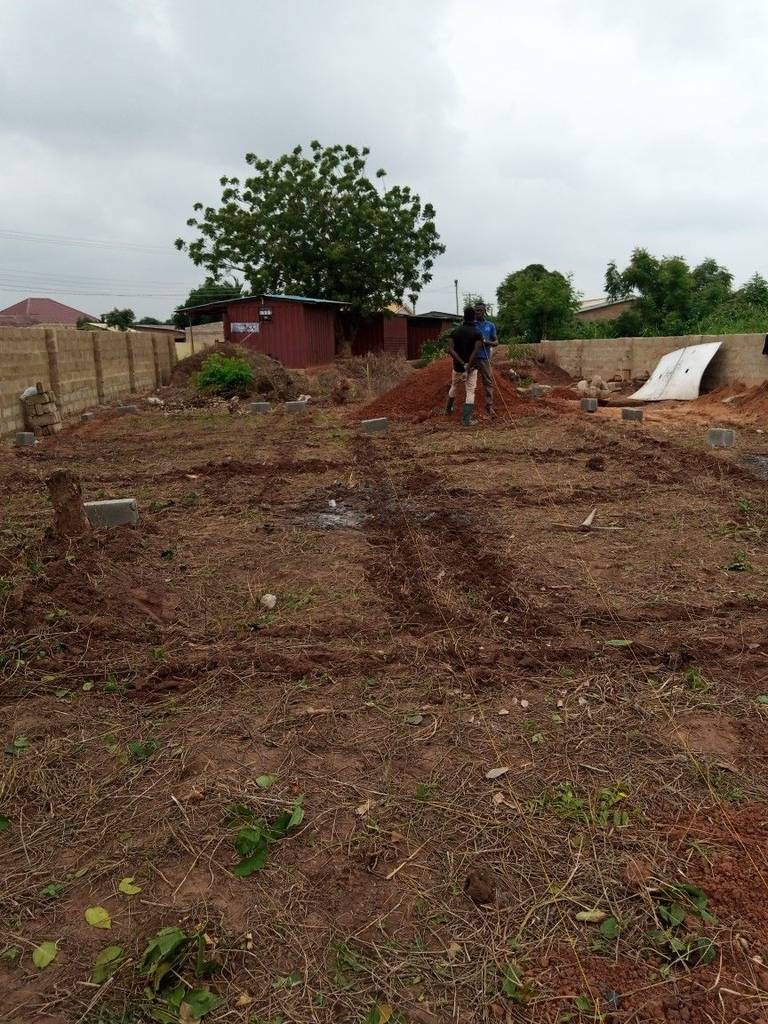
The best way to avoid omo onile land problems is to deal with the right people before you pay. Confirm who truly owns the land, make sure the family head and principal members sign the sale documents, pay only against written receipts, and get your survey and title checked by professionals. If you’re harassed after buying, do not pay “levies” on the spot. Document everything and report it to the authorities.
Who are the omo onile?
“Omo onile” loosely means “children of the landowner.” Every South-West community has families with real, traditional ownership of land, and dealing with them properly is a normal part of buying land.
The problem is a group of people who abuse that title. They use force, deception and intimidation, sell the same land to several buyers, and encroach on land that others acquired legitimately. ssrc
So when you hear “omo onile land problems,” it usually means one of two things: a rightful family claim that wasn’t handled properly at the start, or an outright attempt to extort money from a buyer.
Why do omo onile problems happen?
- The wrong person sold the land. Someone without the family’s authority sells a plot, and the real family later steps in.
- Not everyone was part of the sale. One buyer described being asked for ₦200,000 seven months after buying because a family member had not been included when the sale money was shared. businessday
- The same plot was sold twice. This is a common cause of family land dispute in Nigeria.
- Pressure at the building stage. Some groups show up when the buyer starts building and demand “site fees” or “entry levies.”
How do you avoid omo onile problems? A step-by-step guide
1. Find out who really owns the land.
Ask for the history of the land and who the recognised family head and principal members are. Do not rely on one person saying “I am the owner.”
2. Make sure the family signs properly.
In many South-West communities, the family head and principal members sign the Deed of Assignment. This reduces the risk of someone from the same family challenging the sale later.
3. Verify the land independently.
Have a lawyer carry out a search at the land registry and check that the land is not under government acquisition or in a disputed state. Use a registered surveyor to confirm the boundaries and get a survey plan.
4. Pay in the open and keep records.
Pay by bank transfer where possible, to the account agreed in writing. Collect receipts for every payment. Avoid handing over cash on the roadside with no paperwork.
5. Ask about all legitimate payments before you pay.
Some communities have customary processes. If there are any additional payments, they should be agreed, written down and receipted before you pay the full price, not demanded after you start building.
6. Take possession early.
Once your documents are in order, fence the land or begin work so that the boundaries are clear. Empty land is more likely to be encroached on.
7. Use professionals.
Work with a lawyer, a registered surveyor and a trusted real estate company. This protects you from mistakes that are hard to fix later.
Are omo onile fees legal?
It depends on what the payment is for.
- Legitimate: the purchase price paid to the true owners, and any agreed payment that is written down, receipted and settled before you buy.
- Not legitimate: surprise “levies” demanded on site, or money demanded under threat of stopping your work.
In Lagos, the Properties Protection Law of 2016 aims to stop forceful entry and illegal occupation of land, and also prohibits demanding fees from people doing construction. Ogun State has also introduced its own land grabbing law with a joint task force to enforce it. For other South-West states, including Ondo, ask your lawyer which local rules apply. lawpavilionthisdaylive
What should you do if omo onile harass you?
- Stay calm and don’t pay on the spot. Paying under pressure often invites more demands.
- Don’t argue or fight. Gather your documents, take photos and videos, and write down names, dates and amounts demanded.
- Speak to your lawyer. They can check whether the claim has any real basis.
- Report it. Go to the police. In Lagos, you can send a petition to the Attorney-General and Commissioner for Justice, addressed to the Coordinator of the Special Task Force on Land Grabbers. guardian
- Keep building records. Keep receipts, agreements and your survey plan safe. They are your best protection.
Be aware that enforcement is not perfect. Reports have noted that the problem has persisted in places, partly because many people don’t know their rights under the law. That is why prevention is better than cure. businessday
FAQs
What does omo onile mean?
It means “children of the landowner” in Yoruba. It refers to families with traditional claims to land, and sometimes to people who abuse those claims.
Is it illegal to pay omo onile?
Paying the real owners the agreed price is fine. Paying extortion or surprise levies under threat is what the law targets, at least in states like Lagos and Ogun.
Can I avoid omo onile completely?
Not always, but you can reduce the risk by doing proper checks, getting the right people to sign, and paying openly with receipts.
What is the best way to buy land safely in the South-West?
Use a lawyer, a registered surveyor and a reputable real estate company, and verify everything before you pay.
What if the family disagrees among themselves after I’ve paid?
Speak to your lawyer straight away. Your signed deed, receipts and survey plan will be central to resolving it.
Buy land with someone who knows the terrain
At Sajo Dynasty Limited, we guide property buyers from valuation to documentation, so you aren’t left to deal with these issues alone.
Ready to buy land the right way? Book an appointment with us.
[Insert phone / WhatsApp] | sajodynastylimited.com
This article is for general information and is not legal advice. Land laws vary by state and change over time. Please consult a qualified lawyer before buying property.